


Featured

Blog 10: Municipal “Brands”

The Island of Vancouver Island is located in the Pacific North West on the West Coast of Canada. Toted as an Island boasting an abundance of natural beauty, millions of tourists flock to the island every year from Canada and abroad. Vancouver Island Has a population of over 700, 000 spread across 40 municipalities, and also boasts The Provincial capital of British Columbia, Victoria. Communities and regions have their own identity and ‘brand.’ The ‘brand’ itself is often displayed by using a logo that can give visual and non-verbal cues about the identity of a region. Based on the ‘raw data’ of municipal logos, who are Vancouver Island municipalities saying they are?

Vancouver Island is toted as an Island full of natural beauty or a place for nature lovers to explore, so it’s no surprise that all but two of the municipal logos contain the colours blue or green. The two colours are often known to represent water, air, trees, or earth. Another thing of note is that the majority of municipal logos either contain images/graphics of nature or animals. Overall, I would say that the 40 municipal logos of Vancouver Island are attempting to re-affirm the notion that Vancouver Island is a place of natural beauty and a nature lovers paradise. Socially and culturally, much of Vancouver Island is tied to nature, which I believe is reflected in the logos. The logos also indicate that each municipality is aiming to draw tourists to their location, highlighting how tourism is one of the primary industries of Vancouver Island. Whether to draw in tourists or new residents, it’s is clear that the natural landscape of each municipality is represented in each logo.

Taking a closer look at the municipal flags for Mid-Island Municipalities, we see that all but one municipality uses blue or green in their logos. The exception being the town of Ladysmith, which is known for its historic downtown—looking at Ladysmith’s logo, which is black in white in stark comparison to the other mid-island municipalities logo’s. We can see how their logo is designed to highlight their downtown area, a branding move that pushes attention to the town’s central feature, which unlike the other cities, is not its natural beauty, but it’s the historic downtown area. The city of Parksville’s logo, on the other hand, features a blue sand dollar, which highlights one of its main features it’s beachfront. Parksville is known for Parksville beach, which hosts numerous events such as the Parksville sandcastle sculpture competition, which draws thousands of tourists every year. The municipality of Parksville’s logo is branding its city as a beachfront city that tourists and locals alike can enjoy. Overall, all five logos brand their districts by highlighting their cities’ main attractions and four of the logos use colours and images associated with the nature of Vancouver to highlight their region’s natural attractions.

I think what’s lacking from many of the municipal logos is a sense of duality. I think many of the logos only showcase one side of a cities brand and fail to highlight any other features of said city. While Vancouver Island is known for its nature, I think using that as a single branding point takes away from much of what the municipalities have to offer. Ladysmith’s logo, unlike most of the others, doesn’t follow the themes of nature but focuses on its historic downtown. If I were to change the Ladysmith logo, I think the one thing its missing is the incorporation of some of its natural landmarks. Ladysmith sits on a hill of sorts, so it overlooks a beautiful piece of ocean. I think by adding both aspects, nature and its historic downtown, the Municipality would expand on its brand and showcase more of what that Municipality represents.
Featured

Blog 9: A Change in Work Environment

image: nytimes.com

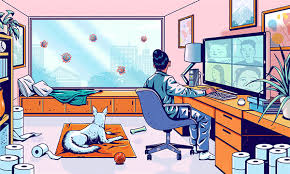
A Change in my working environment has affected my production of University-related projects. I’m currently taking a university course, called DIGI 340: Digital Social Narratives. The course requires students to complete an extensive final project of which digital storytelling is the main component. For my final project, I’m undertaking the creation of a podcast series about trans-racial adoption. I’ve planned and scripted my first podcast, but have yet to record it due to extenuating circumstances. Due to the COVID-19 pandemic, my University has switched to online classes, and many of the facilities (audio recording rooms) I would have used to produce my podcast are now shut down.

The environment of production for my podcast has been severely limited, which has resulted in my digital storytelling project being altered. I now need to record my podcast from home, which will affect the audio quality of my podcast. I am also unable to interview subjects for my podcast in person, which has led me to change the focus of my first podcast episode to telling my own story instead of conducting and outside interview. Although interviews can be conducted via phone, I believe that this process would further reduce the sound quality of my podcast.

Now that I will be working exclusively from home. I see how different working environments can impact the production of work. I find myself detaching and becoming removed from the school environment and the regularity of classes. I don’t have the same motivation to complete work and find myself procrastinating a lot more than when my University had regular in-person courses. I think for people that can focus in an at-home work environment, online University classes/work would allow them to get projects done quickly. For myself, once I’m out of the weekly University routine I’ve had for the past several years, my work begins to suffer.

My University moved to online classes towards the end of the semester, which allowed me to remain more on track with assignments than if it had transitioned towards the start of the semester. Because I was able to start all of my assignments in a regular school environment, moving to online classes with much of my work completed made the transition to producing work in an at-home environment much more manageable.

Featured

Blog 8: Patchwork Narratives

People tend to tell stories to fill in details on subjects of which they aren’t entirely knowledgeable. By piecing together small details, they can form a bigger picture or create a greater understanding of the subject. Whether these pieced together, details create a logical or accurate story/narrative that is irrelevant to the storyteller or narrator but can have a significant impact on those who consume these stories.

Patchwork storytelling, is the gathering of small details to create a narrative is nothing new. In our increasingly digital world, we can see evidence of this on social media platforms such as Facebook, Instagram, and Twitter. People sift through posts on social media and create stories and narratives.

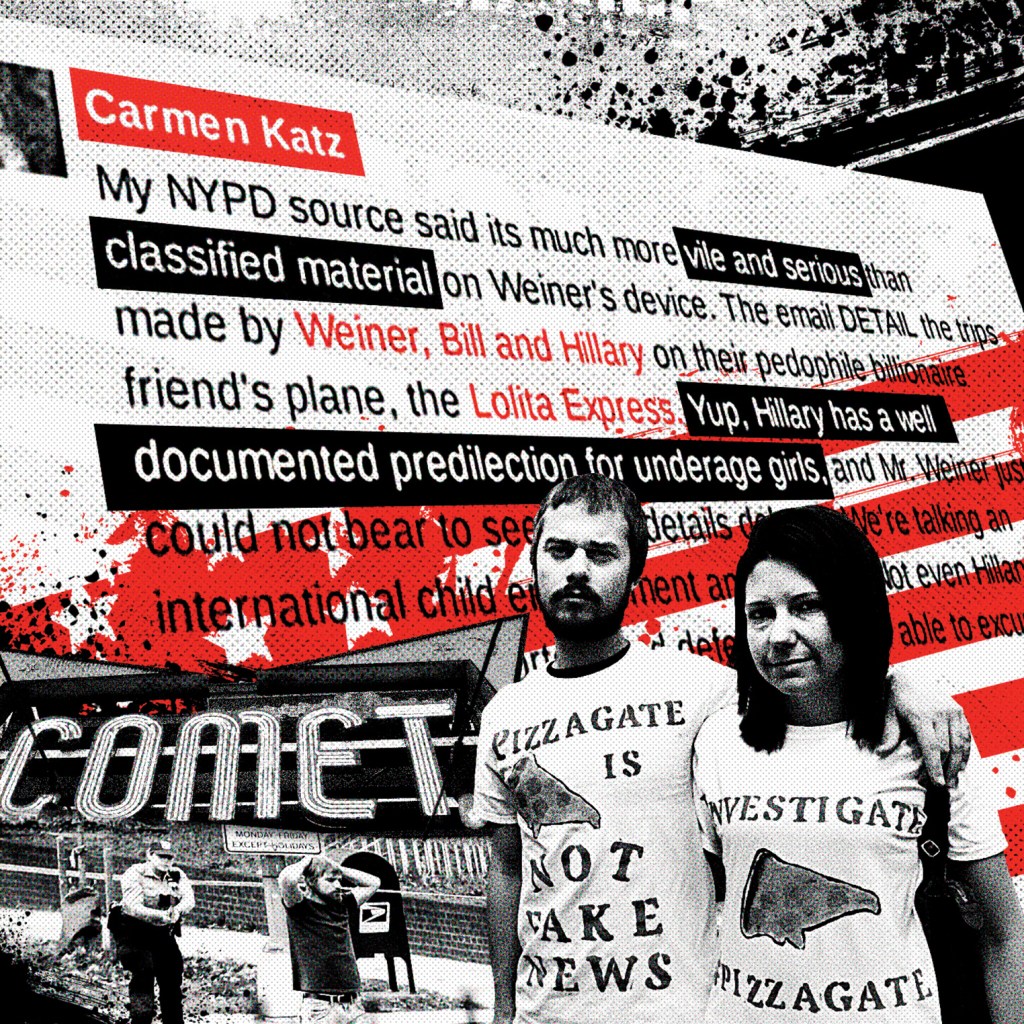
Image: Rolling Stone

An example of patchwork story telling was the spreading of fake news which was prevalent during the 2016 U.S. political election. Users of social media platforms were consuming bits and pieces of inaccurate information and using these tidbits to create a firestorm of fake and inaccurate stories that affected the outcome of the U.S. federal election. Fake news, such as the Pizzagate allegations were spread by “Alex Jones, the Info-Wars host, [who] reported that Hillary Clinton was sexually abusing children in satanic rituals, in the basement of a Washington, D.C., pizza restaurant”(Robb 2018). Stories like these were spread after individuals pieced together small details to create a bigger picture that supported their narrative to vilify U.S. presidential candidate Hillary Clinton.

Accurate or not, people use small details to create a big picture when it comes to creating stories and spreading information. It’s essential to be aware of biases or ‘tunnel vision’ when piecing together information to create a narrative. Pre-existing biases or opinions influence how bits and pieces of a story are compiled to generate the storyteller’s narrative.

Featured

#7 Storytelling in Games

Over the past few decades, the gaming industry has emerged as an innovative and robust industry, and has also proven to be one of the largest platforms for storytelling. Whether it’s a board-game, mobile-game, or video-game, most games follow an informal or formal narrative story-line or structure. Technology has transformed the world of gaming into an interactive and immersive storytelling experience. Games have pioneered interactive and participatory storytelling as a medium; however, many still question games validity as a tool of storytelling in comparison to more traditional modes such as books, movies, songs, plays, and musicals etc.

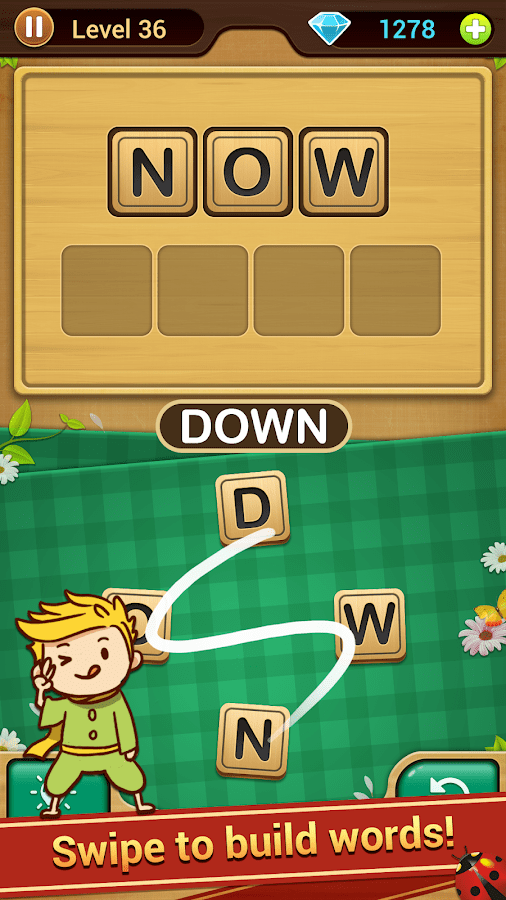
Although many games contain an element of storytelling, my favourite mobile game doesn’t. “Word Link,” a mobile word puzzle game requires players to swipe and connect letters to spell-out words. The game contains many different levels, but none are connected by theme or story-line. The words that appear on the screen for each level appear to be auto-generated and have no connection to one another. I enjoy the game because the only goal is to complete each puzzle by building words. You don’t have to follow a storyline, so the sole focus of the game remains to create words. While I think storytelling in games can be compelling, I don’t believe all genres of games need to have this element.

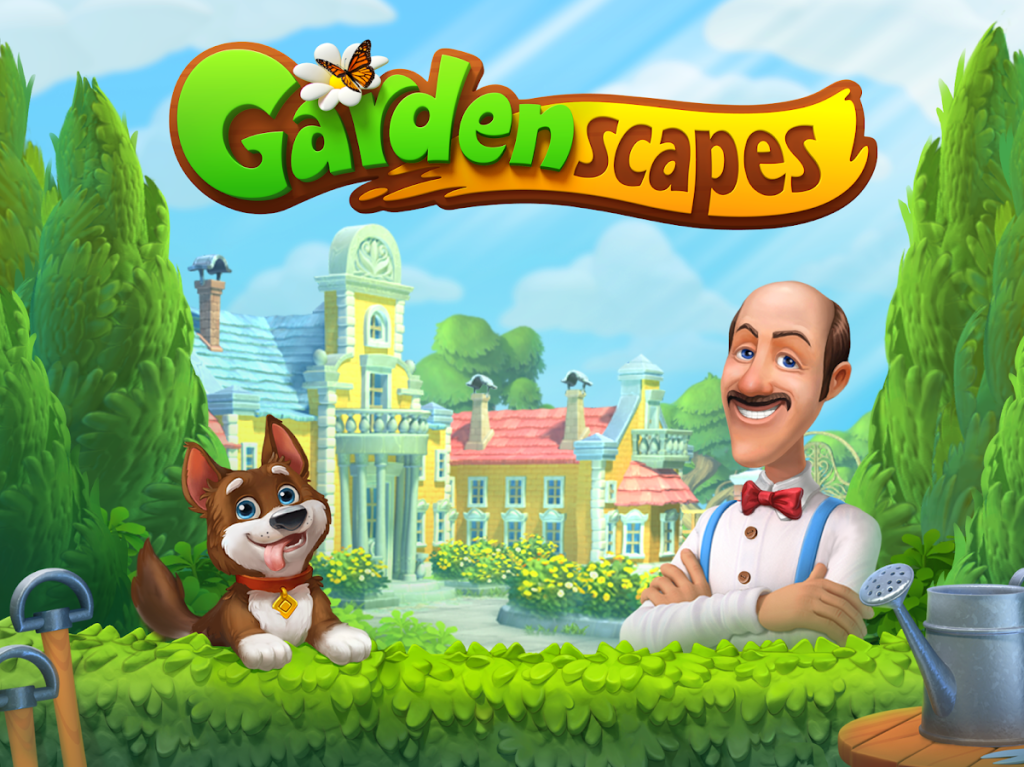
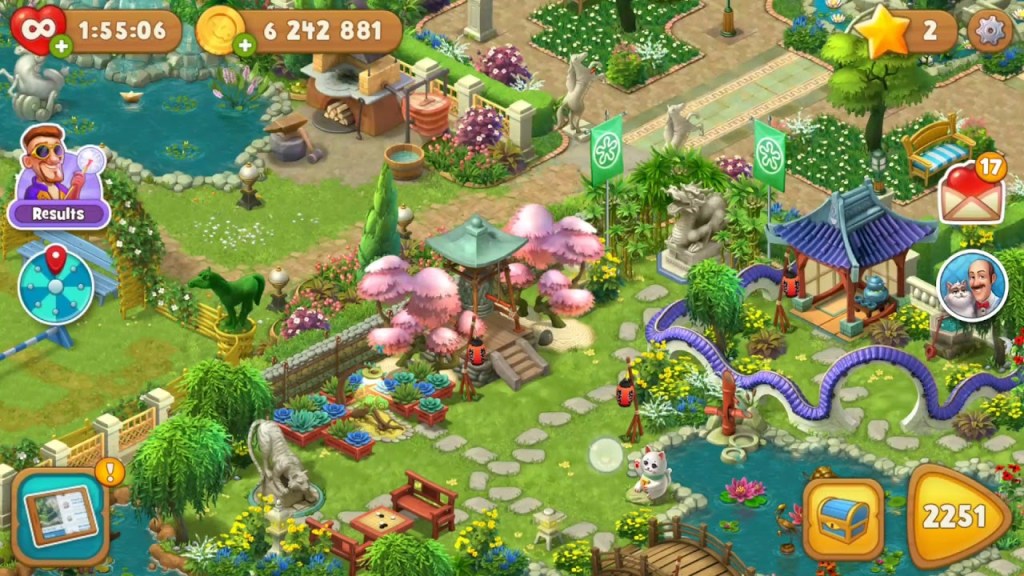
One game I play that I believe is enhanced by storytelling is Gardenscapes, a game that contains a very obvious storyline. As described by the producers of the game, “welcome to Gardenscapes! Rake your way through a storyline full of unexpected twists and turns to restore a wonderful garden to its former glory” (Gardenscapes 2020). The game follows the main character, Austin, the butler who needs help from the player to restore and decorate different areas of a rundown garden. The game requires the player to complete puzzles and find clues to re-build elements of the garden. The aims of completing the game revolve heavily around the narrator Austin who tells the story of the once glorious garden and its former inhabitants. Without the use of storytelling and narration within the game, I feel that players would not be as compelled to complete the challenges throughout the game. The game creates sympathy with the player by telling and showing examples of the garden’s former glory and how the past inhabitants of the said garden used to enjoy it. By creating a connection with the player through the storyline the creators of the game can retain players for a more frequent and prolonged-time.

I believe storytelling in games can enhance the players’ experience with a game by building a connection to the game or characters through a dynamic storyline. While many games rely on competitiveness or skills, I find the games I’m most drawn to be those which contain a compelling storyline such as Gardenscapes. Due to the saturation of the gaming market, players have a plethora of games to choose from, so game producers need to use art, storyline, and design to draw new players to their game.

Featured

Blog #6:”Mobile” Storytelling

Technology has transformed how we experience the world. Storytelling, a once static practice in terms of how stories could be shared, has now evolved into a multi-platform experience. Stories can be shared through a myriad of digital and non-digital platforms. Cellphones, tablets, and computers are now considered possible tools of storytelling. The availability and accessibility of mobile devices allow readers to take stories with them wherever they go. Nowadays, people are experimenting with how the notion of ‘mobile’ can be used as a storytelling mechanism. Whether it is through the implementation of QR codes, running commentary, or digital and physical scavenger hunts, it’s clear mobile devices allow great opportunities for discovery through portable digital technology.

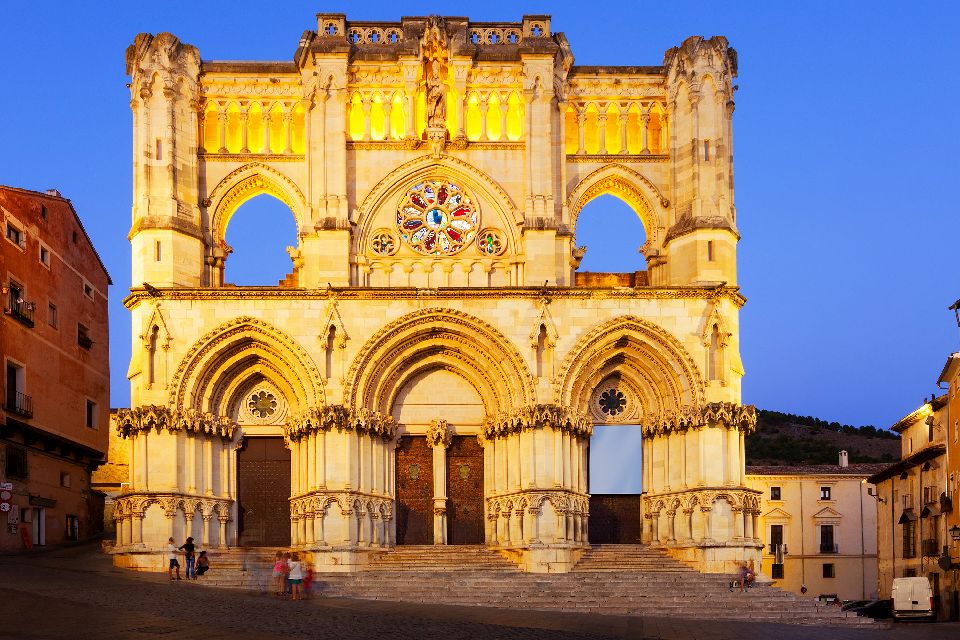
Photo (Cuenca Cathedral): easyvoyage.co.uk

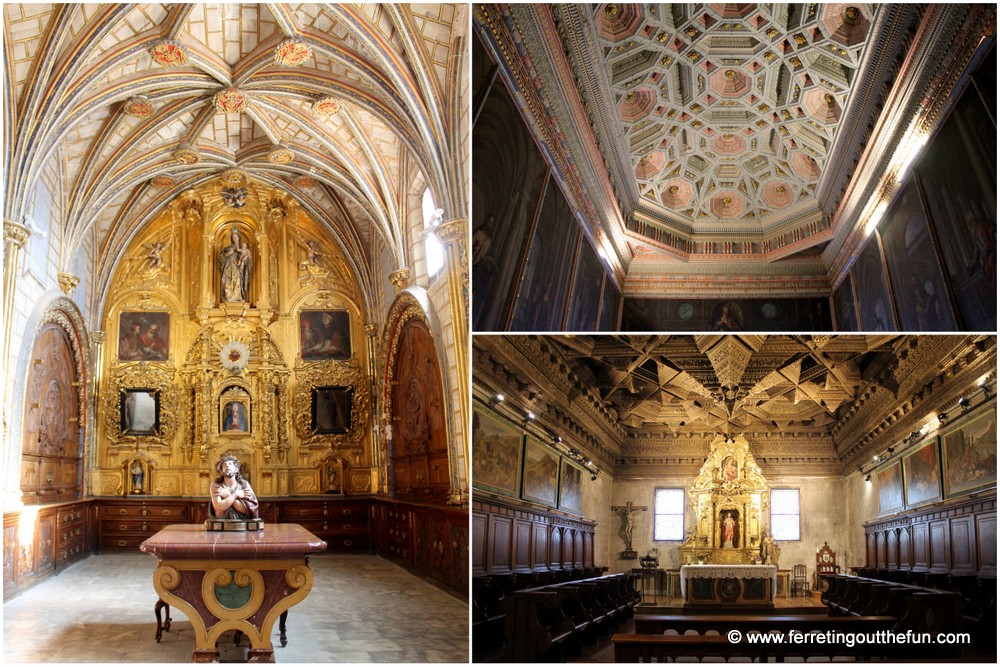
The most recent experience I’ve had with a mobile form of storytelling was through a self-guided audio tour of the Cuenca Cathedral Gothic cathedral in the city of Cuenca, which is located in the Castile-La Mancha region of Spain. Visitors to the cathedral were able to purchase audio tours in several different languages for around five euros. Unlike many other audio tours that require a headset, this tour was implemented through the use of a mobile-like device that had a speaker built-in. Users would walk around the cathedral and stop at a point that had a number. By inputting the number into the audio device, an audio description/story of that part of the cathedral would play through a speaker on the device. The audio tour allowed me to have a much deeper understanding of the Cathedral and its history, and the access to English audio vastly improved the experience I had processing information as a non-Spanish speaking person. That being said, I do think there could be improvements in terms of the “mobile” storytelling aspects of the tour.

Photo (Cuenca Cathedral): http://www.ferretingoutthefun.com

If I were to implement a ‘mobile’ storytelling experience for the Cuenca Cathedral, I would get rid of the outdated audio devices and number system. Instead, I would create an app that could be downloaded to mobile devices and create a tour using scan-able QR codes. Of course, this would be dependent on the Cathedral providing free WiFi access to those who purchased the tour and alternative devices for those who might not own a cellphone. The tour I went on didn’t have a map or designated route, which made it confusing to locate where to go next. I would create a tour where the QR codes lead people through the tour via a designated plan. I also think by adding a mobile app that would allow greater accessibility to those who are hard of hearing or deaf because they could add text descriptions along with the audio. I feel that the notion of ‘mobile’ can add a new and dynamic aspect to storytelling and guided tours and are likely the route in which our increasingly technology-dependent world is headed because, as they say, technology is the way of the future.

Featured

Blog #5: “Memories” of 9/11

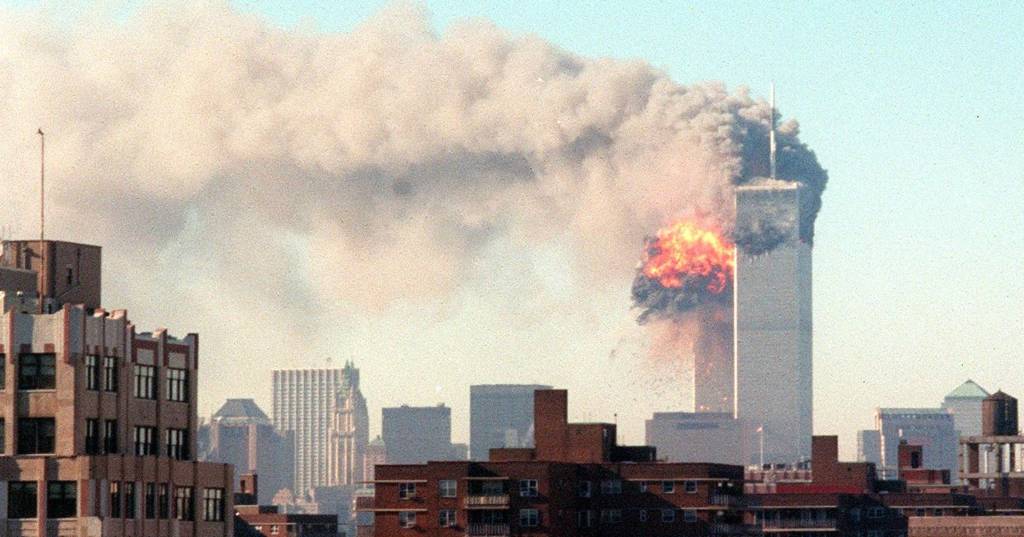
“Twin Towers” (Photo: New York Times)

They say everyone remembers where they were when 9/11 happened.  I myself have a distinctive memory of 9/11. I was five years old on September 11, 2001, when 9/11 happened. A series of four coordinated terrorist attacks perpetrated by the group al-Qaeda against the United States, which took place on the morning of Tuesday, September 11, 2001. The attacks resulted in thousands of fatalities and injuries and caused several billions of  dollars  in infrastructure and property damage.

(Video: ABC7 News Bay Area “A look back at the 9/11 terror attacks”) – short video less than a minute

On the morning of September 11, 2001, I remember watching news footage of the attack on the twin towers. I lived on the west coast of Canada, so footage of the attacks that happened during the morning on the east coast was already widely circulated on most news networks. My morning routine as a young child involved eating breakfast and watching cartoons in the morning. It was usual for me to watch TV most mornings, but this morning the news was on which was strange. I remember my mother being distracted and not answering my questions regarding the images on the screen. I remember my five-year-old self sitting in my blue blow-up chair in front of the TV before leaving for kindergarten that day, and watching news coverage of the twin towers attack.

Blue Blow-Up Chair (Photo: Amazon.co.uk)

Although I don’t have photographic, video, or audio proof that I watched footage of the 9/11 attacks as a child, that doesn’t mean the memory is false. My memory isn’t false, but the information or content making up my memory could be. A memory is a memory regardless of the truth or factuality of the story or experience being remembered. Memories can be influenced by what other people tell you. As a child and as an adult, I’ve heard stories of other people’s experiences or memories of the 9/11 attacks. I wonder how much of my memory was influenced by what other people told me and their experiences. Although I can distinctly remember my experience that day, my mother refutes my story, saying that she didn’t allow me to watch footage of the 9/11 attacks, which would make sense considering I was only five-years-old at the time.

I’ve supplemented my lack of physical proof of events by reviewing images and videos of the news coverage of 9/11, but wonder how these images and videos may warp or influence how I remember this event. Using other people’s memories to reinforce and support my recollections makes me feel as though my memories are less mine and makes me question the validity of said memories. The September 11th attacks were and are such a monumental moment in time for many people, so I think the memories people have of the attack are not a singular experience. Rather, one shared on a larger scale connecting many people’s lived experiences. Memories are often not only ours but are connected, reflecting the world in which we live.

Featured

Blog #4 A Narrative of “You”

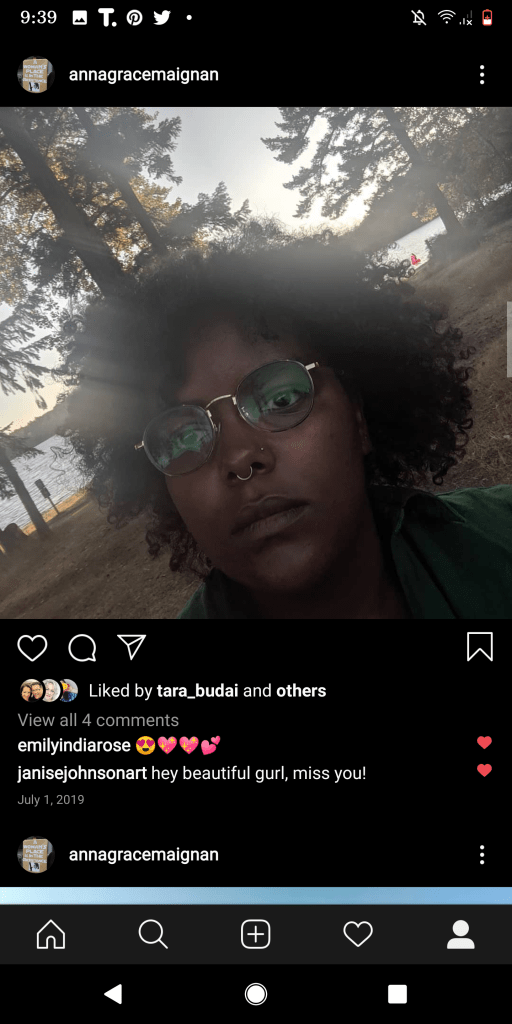
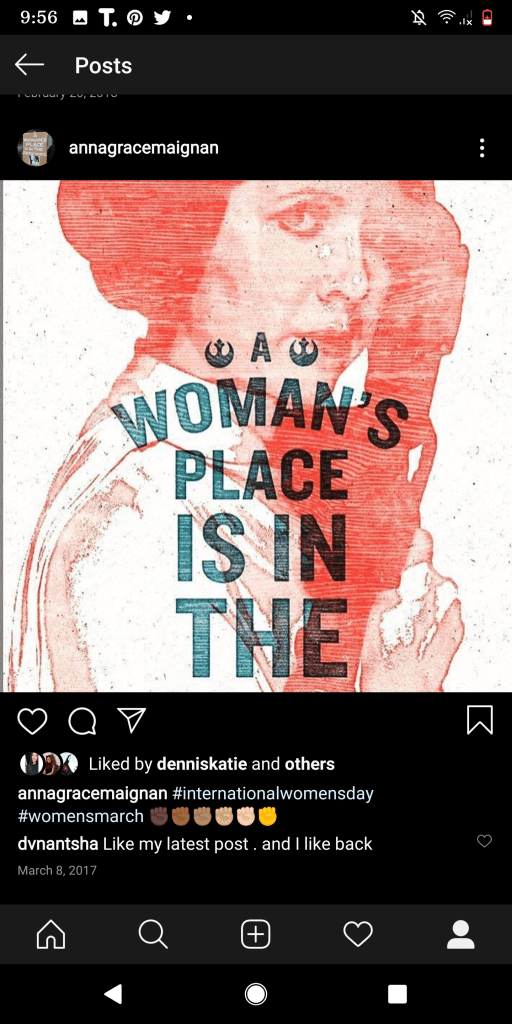
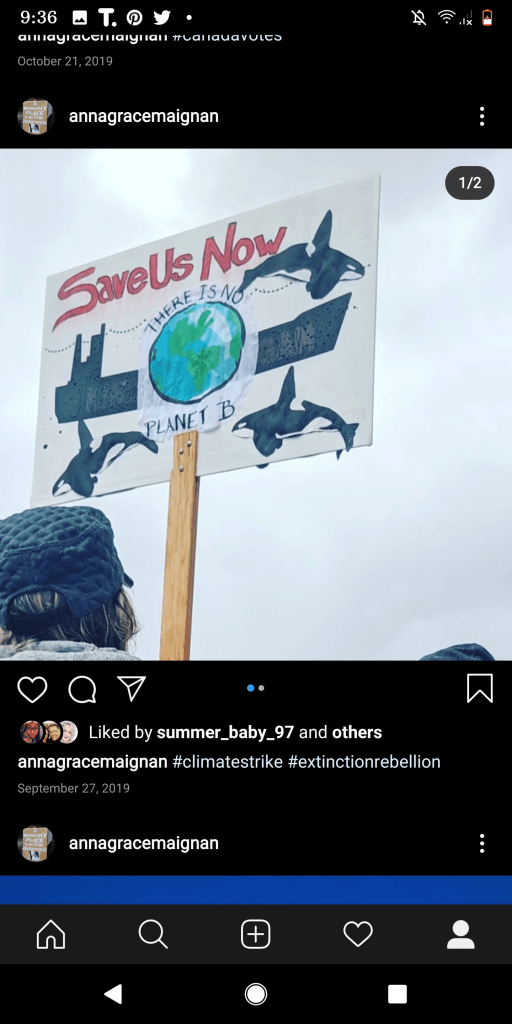
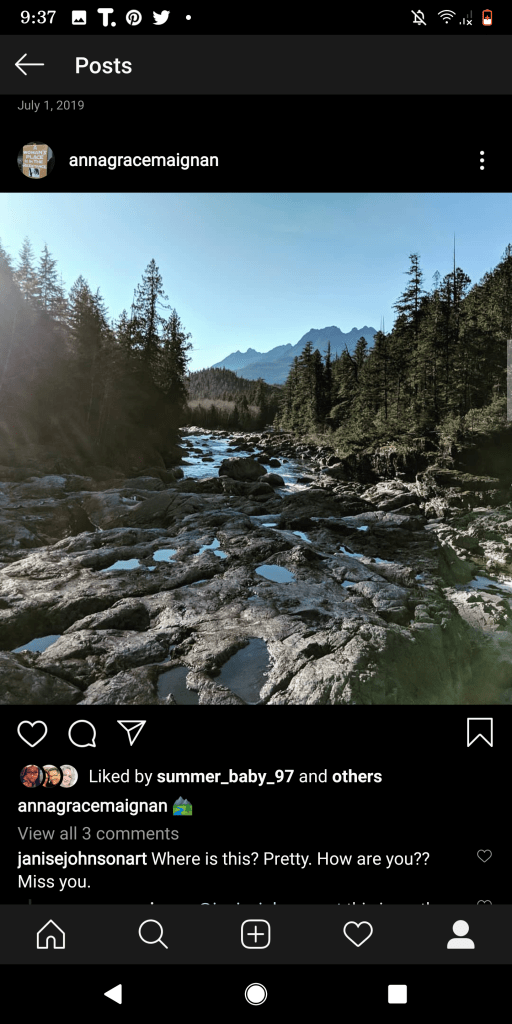
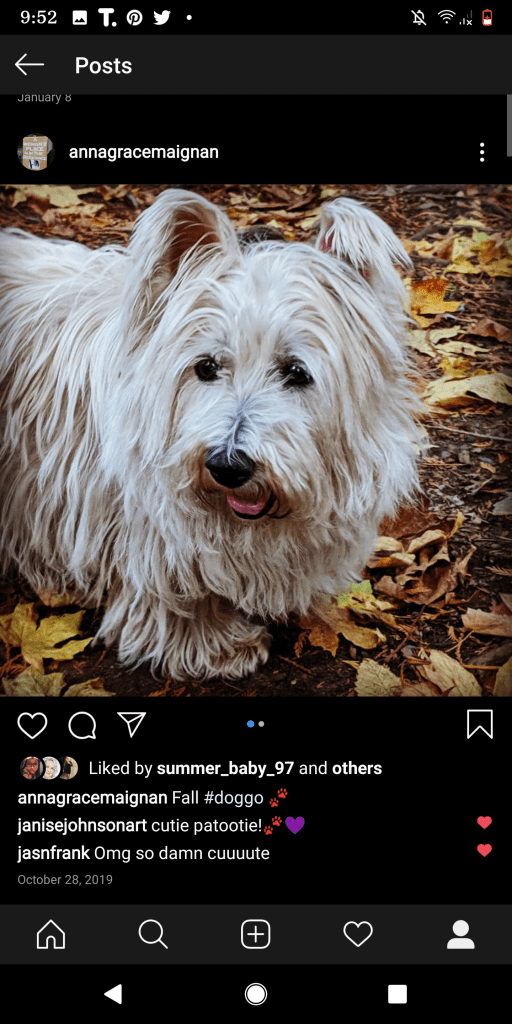
As I was scrolling through my Instagram search feed, I stumbled across a post posted by the user annagracemaignan, encouraging others to vote in the Canadian Federal election, on October 21st, 2019. Interested in who was posting this content, I clicked on the username and checked out her profile, which was public and accessible to the public. From her profile, I discovered that she is a young woman of colour living on Vancouver Island. Her page only had a handful of posts, but from these images, I was able to piece together my own version of who she is and what her interests are. The photos she had on her page ranged from mundane pictures of her dog to more interesting images of political protests and marches.

The post that caught my attention the most was a picture of a protest sign from last year’s women’s march. The poster depicts Princess Leia holding a riffle with the slogan “A Woman’s Place is in the Resistance.” I assume that Anna was part of the march and made that sign herself. Both this post and the election post lead me to believe that she is politically inclined and a supporter of feminism and women’s rights, or at least that is how she presents herself on social media. These assumptions were further supported by another post that showed pictures from an “Extinction Rebellion “climate change demonstration. The picture included a sign with killer whales and a tanker that read “Save Us Now-There is no Planet B.” While these posts indicated that Anna is politically inclined, the other posts on her page were more personal and less political such as photos of her dog, herself, food, and nature.

Based on what I was able to piece together from my observations of her Instagram, I was able to assume that she has a political bent and is not afraid to express her opinion. Her other pictures, however, (her dog, nature, food, etc.) indicate that she is neither obsessed nor preoccupied with political issues; but can be aroused to act should the opportunity arise. It is important to remember that the image presented by social media tends to create a picture of the person as they want to be seen and does not necessarily reflect who they are on a day to day basis.  Having said that, I believe my profile of Anna is reasonably accurate based on her presentation on social media.

Featured

Blog #3: REMIX

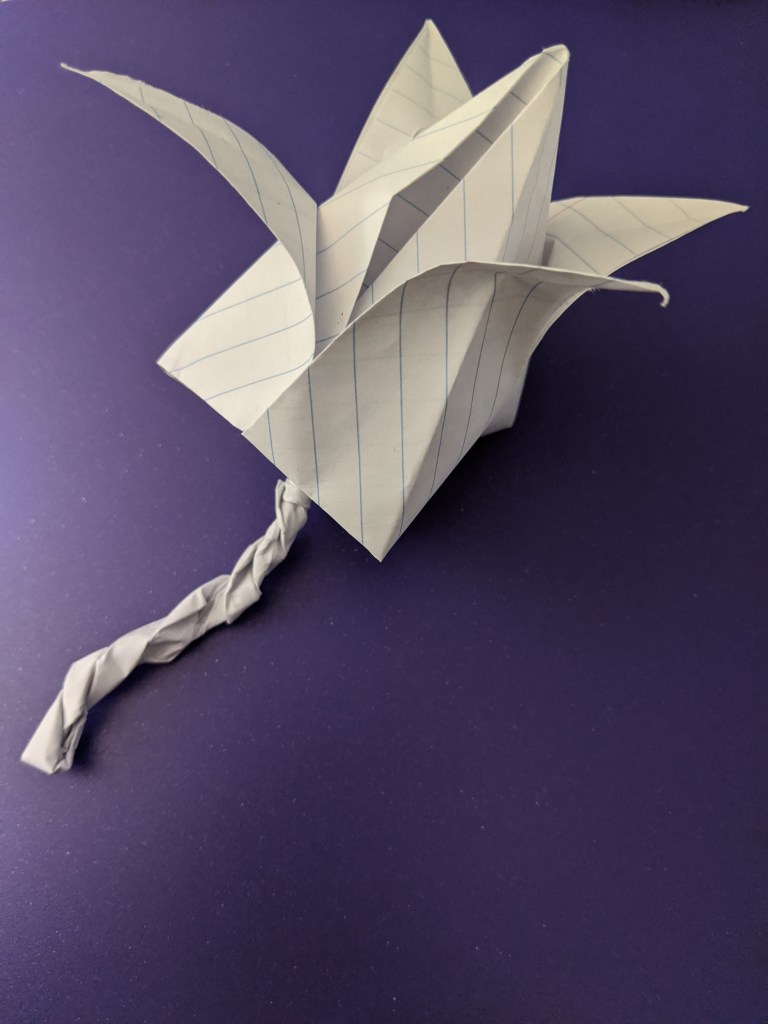
A “Remix”.

From a single sheet of paper came an origami flower by making a series of folds and thereby created something of a different value, both conceptually and creatively, from an otherwise bland piece of paper.

Origami, of course, is not new, nor is it different. In fact, it is an art form that is used extensively throughout the world. What I find intriguing is the ability of the practitioners to look at the sheet of paper and see the finished piece of art ‘the flower.’

Making a paper flower was my idea, but it is only half mine because I used a ten-step WikiHow tutorial called, “How to Fold Paper Flowers,” to create the flower. While I acknowledged the content, I have “stolen” WikiHow did not, and I’m reasonably certain they did not come up with the original content or start the practice of Origami flower making. It’s impossible not to steal ideas, thoughts, art, etc., but it’s possible to acknowledge original concepts and creators when borrowing from there work.

It is inevitable that throughout your life, you’re going to steal things and ideas from others, there is still a difference from borrowing and plagiarizing content. Someone creating something using others’ ideas or concepts is very different in comparison to someone who wants to pass someone’s original work as there own. That’s why I believe acknowledging where ideas and concepts come from is key when borrowing said ideas and concepts.

A paper flower, something quite insignificant, made me consider the many ways that people can access their own creativity. And think about the catalyst needed to allow people to be in touch with these skills. I firmly believe that everyone has a creative component that is genuinely marvellous. The magic is to discover how to bring it to the fore. Throughout my life, I have re-worked concepts, ideas, and materials to give new meaning to my creations.

“Bad artists copy. Good artists steal.” ~ Pablo Picasso

Featured

Blog #2 An Act of Disruption

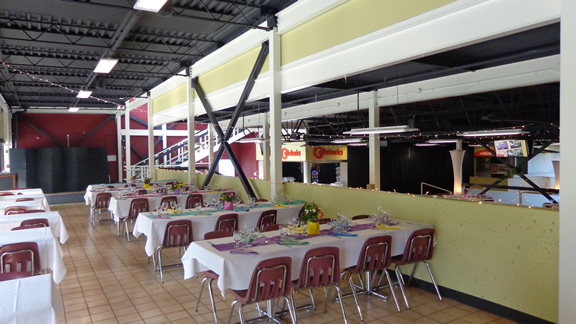
“UpperCafe.” Services.viu.ca, https://services.viu.ca/sites/default/files/uppercafe1demo.jpg.
SOUNDS RECORDED IN THE VIU UPPER CAFETERIA
(Play with blog post to immerse yourself in the experience
of being in a university Cafeteria).

Vancouver Island University located on; you guessed it, Vancouver Island, which is an island off the West Coast of Canada with an estimated population of 700,000 people. The Campus in Nanaimo has over 18,000 domestic and international students. One of the most popular spots on Campus is the upper cafeteria, not to be mistaken with the lower cafeteria; a place students say reminds them of an abandoned mental hospital. No, the upper cafeteria with its puke green walls and twenty-year-old tables and chairs reminds people of what they’d imagine a prison cafeteria would look like. Students go to the cafeteria to eat food, study, and hang out with friends etc. 

Late Wednesday morning and the upper cafeteria is quiet, with perhaps two or three dozen people dispersed across the entirety of the cafeteria. At one of the corner tables on the main floor of the cafeteria is a young black man wearing a white hoody and a red baseball cap, presumably a VIU student. He sits by himself surrounded by a wall of his belongings, which take up two or three seats. Wearing a large set of headphones, he busily works on his laptop while at the same time eating what appear to be french fries. From the expression on his face and the urgency with which he’s typing, it seems he’s engaged in reasonably significant activity, possibly a last-minute school assignment or some other important work. Suddenly he throws his hands up and slams down the lid of his laptop, pulls off his headphones, gathers his stuff and heads for the door. Judging from behaviour; I surmise that he was running late for a class or an appointment.

I can picture him sitting calmly in a dentist’s waiting room, his goods and chattels stacked neatly in a chair beside him and his cap and jacket on the coat rack. His ever-present laptop is open and on his lap, but the urgency which we had observed in the cafeteria has disappeared.  From time to time, he looks up from his laptop and smiles at or nods to his fellow patients who are also waiting to be called. While some of the other patients deem to be slightly nervous with the impending procedure, our young man is calm and composed. A dentist’s office is neither a place to lose one’s composure nor to express frustration.

Often the setting makes a huge difference in the behaviour of the people who are in that setting. People adapt themselves to environments as society usually has different expectations for behaviours dependent on the place, time, or circumstance. We, as humans, are merely playing the roles that society expects from us when people step outside of societal expectations that predicate one’s behaviour. That is when you can cause an act of disruption. Said disruption can cause distress on the part of the observer or others who are occupying shared spaces.

Featured

Blog #1: Today We Lie

One day while I was at work, my boss brought her pet pig into the store and during the visit, the pig bit one of my fellow workers, and I was called upon to bandage up her finger. Does this story seem hard to believe? Is it too outrageous to be true? I don’t think so. In fact, this story was only a lie because I wasn’t actually there, but all other aspects of the story were factual. It’s easier to embellish a lie by including oneself in the narrative as a spectator or participant, as I did with my story. Most good lies contain an element of truth, which adds to the story’s believability. In this circumstance, the content is factual and therefore presents a possible and, in fact, plausible story. The technique of telling a lie that is presented as a personal experience is more believable than telling a lie about a situation which you were not a party to. If you’re going to tell a story that’s a lie, you have to make the story believable. One technique in doing so would be to talk about a partially true event, and the second would be to include yourself as a participant or present observer of the event. Both content and method of delivery contribute to the believability of a story, whether true or false.

Design a site like this with WordPress.com
Get started