People tend to tell stories to fill in details on subjects of which they aren’t entirely knowledgeable. By piecing together small details, they can form a bigger picture or create a greater understanding of the subject. Whether these pieced together, details create a logical or accurate story/narrative that is irrelevant to the storyteller or narrator but can have a significant impact on those who consume these stories.
Patchwork storytelling, is the gathering of small details to create a narrative is nothing new. In our increasingly digital world, we can see evidence of this on social media platforms such as Facebook, Instagram, and Twitter. People sift through posts on social media and create stories and narratives.
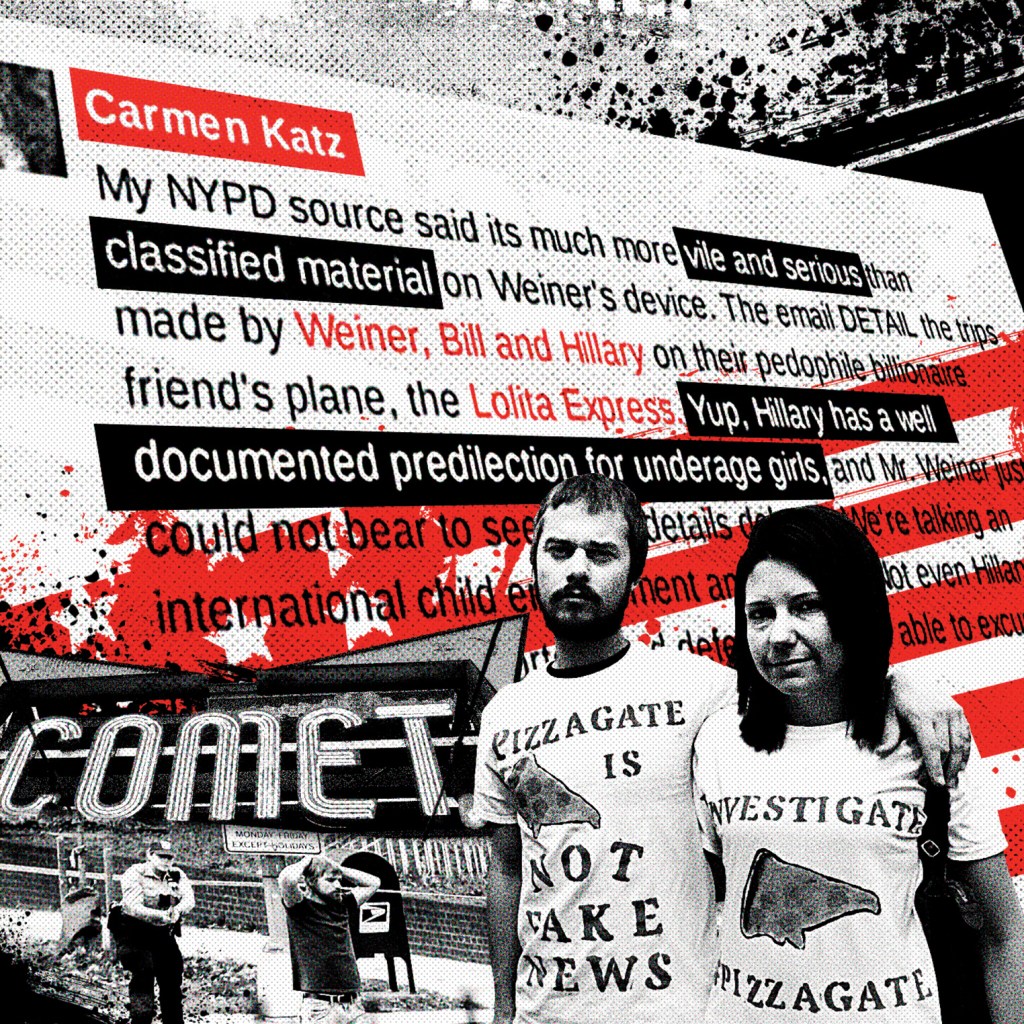
An example of patchwork story telling was the spreading of fake news which was prevalent during the 2016 U.S. political election. Users of social media platforms were consuming bits and pieces of inaccurate information and using these tidbits to create a firestorm of fake and inaccurate stories that affected the outcome of the U.S. federal election. Fake news, such as the Pizzagate allegations were spread by “Alex Jones, the Info-Wars host, [who] reported that Hillary Clinton was sexually abusing children in satanic rituals, in the basement of a Washington, D.C., pizza restaurant”(Robb 2018). Stories like these were spread after individuals pieced together small details to create a bigger picture that supported their narrative to vilify U.S. presidential candidate Hillary Clinton.
Accurate or not, people use small details to create a big picture when it comes to creating stories and spreading information. It’s essential to be aware of biases or ‘tunnel vision’ when piecing together information to create a narrative. Pre-existing biases or opinions influence how bits and pieces of a story are compiled to generate the storyteller’s narrative.
 Digital Social Narratives