Over the past few decades, the gaming industry has emerged as an innovative and robust industry, and has also proven to be one of the largest platforms for storytelling. Whether it’s a board-game, mobile-game, or video-game, most games follow an informal or formal narrative story-line or structure. Technology has transformed the world of gaming into an interactive and immersive storytelling experience. Games have pioneered interactive and participatory storytelling as a medium; however, many still question games validity as a tool of storytelling in comparison to more traditional modes such as books, movies, songs, plays, and musicals etc.
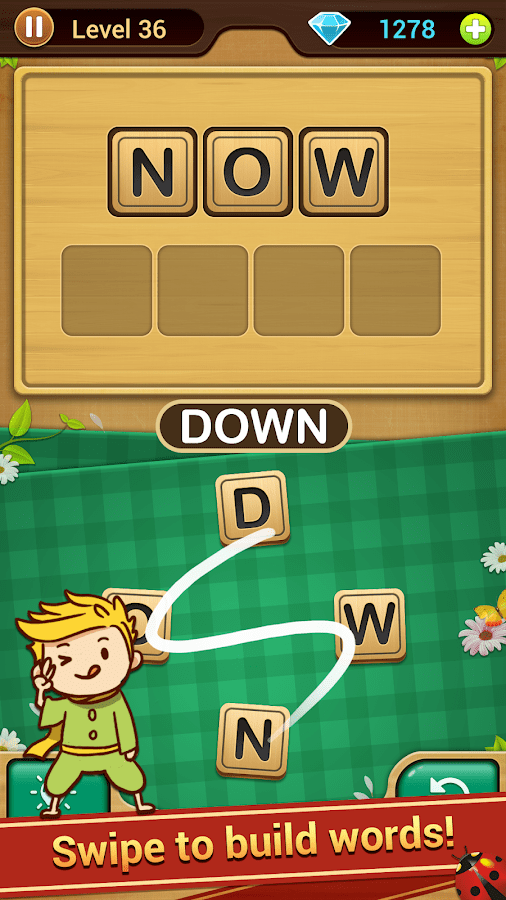
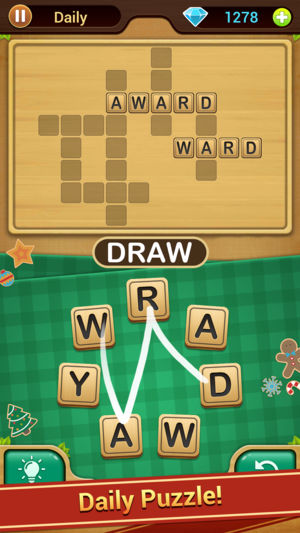
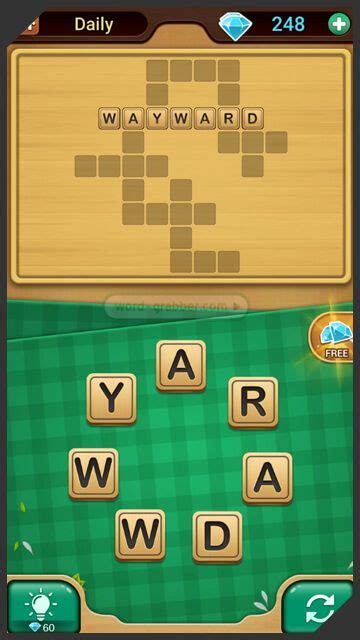
Although many games contain an element of storytelling, my favourite mobile game doesn’t. “Word Link,” a mobile word puzzle game requires players to swipe and connect letters to spell-out words. The game contains many different levels, but none are connected by theme or story-line. The words that appear on the screen for each level appear to be auto-generated and have no connection to one another. I enjoy the game because the only goal is to complete each puzzle by building words. You don’t have to follow a storyline, so the sole focus of the game remains to create words. While I think storytelling in games can be compelling, I don’t believe all genres of games need to have this element.
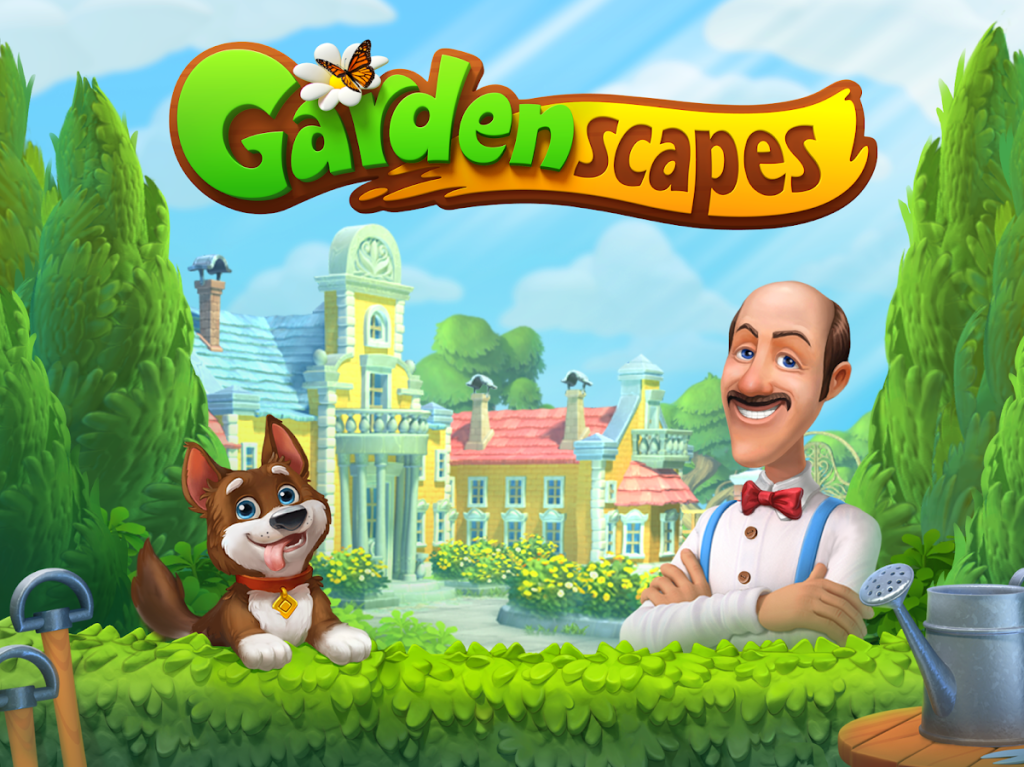
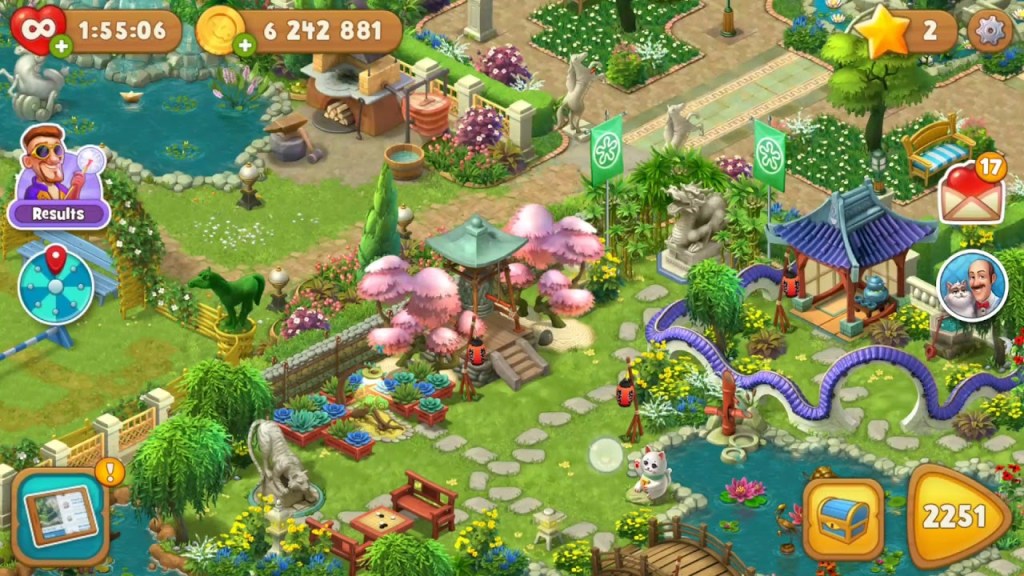
One game I play that I believe is enhanced by storytelling is Gardenscapes, a game that contains a very obvious storyline. As described by the producers of the game, “welcome to Gardenscapes! Rake your way through a storyline full of unexpected twists and turns to restore a wonderful garden to its former glory” (Gardenscapes 2020). The game follows the main character, Austin, the butler who needs help from the player to restore and decorate different areas of a rundown garden. The game requires the player to complete puzzles and find clues to re-build elements of the garden. The aims of completing the game revolve heavily around the narrator Austin who tells the story of the once glorious garden and its former inhabitants. Without the use of storytelling and narration within the game, I feel that players would not be as compelled to complete the challenges throughout the game. The game creates sympathy with the player by telling and showing examples of the garden’s former glory and how the past inhabitants of the said garden used to enjoy it. By creating a connection with the player through the storyline the creators of the game can retain players for a more frequent and prolonged-time.
I believe storytelling in games can enhance the players’ experience with a game by building a connection to the game or characters through a dynamic storyline. While many games rely on competitiveness or skills, I find the games I’m most drawn to be those which contain a compelling storyline such as Gardenscapes. Due to the saturation of the gaming market, players have a plethora of games to choose from, so game producers need to use art, storyline, and design to draw new players to their game.
 Digital Social Narratives