Technology has transformed how we experience the world. Storytelling, a once static practice in terms of how stories could be shared, has now evolved into a multi-platform experience. Stories can be shared through a myriad of digital and non-digital platforms. Cellphones, tablets, and computers are now considered possible tools of storytelling. The availability and accessibility of mobile devices allow readers to take stories with them wherever they go. Nowadays, people are experimenting with how the notion of ‘mobile’ can be used as a storytelling mechanism. Whether it is through the implementation of QR codes, running commentary, or digital and physical scavenger hunts, it’s clear mobile devices allow great opportunities for discovery through portable digital technology.
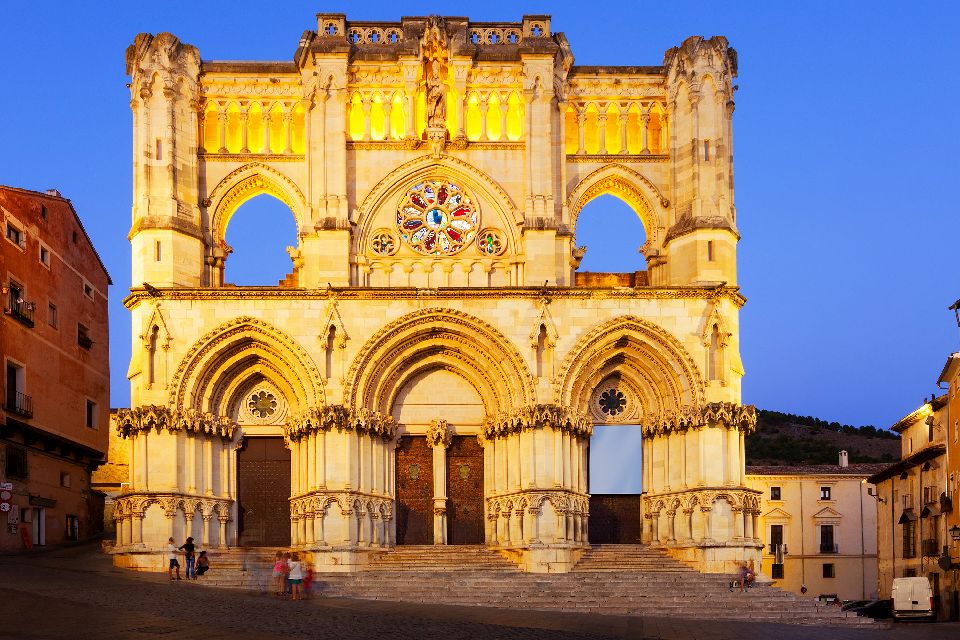
The most recent experience I’ve had with a mobile form of storytelling was through a self-guided audio tour of the Cuenca Cathedral Gothic cathedral in the city of Cuenca, which is located in the Castile-La Mancha region of Spain. Visitors to the cathedral were able to purchase audio tours in several different languages for around five euros. Unlike many other audio tours that require a headset, this tour was implemented through the use of a mobile-like device that had a speaker built-in. Users would walk around the cathedral and stop at a point that had a number. By inputting the number into the audio device, an audio description/story of that part of the cathedral would play through a speaker on the device. The audio tour allowed me to have a much deeper understanding of the Cathedral and its history, and the access to English audio vastly improved the experience I had processing information as a non-Spanish speaking person. That being said, I do think there could be improvements in terms of the “mobile” storytelling aspects of the tour.
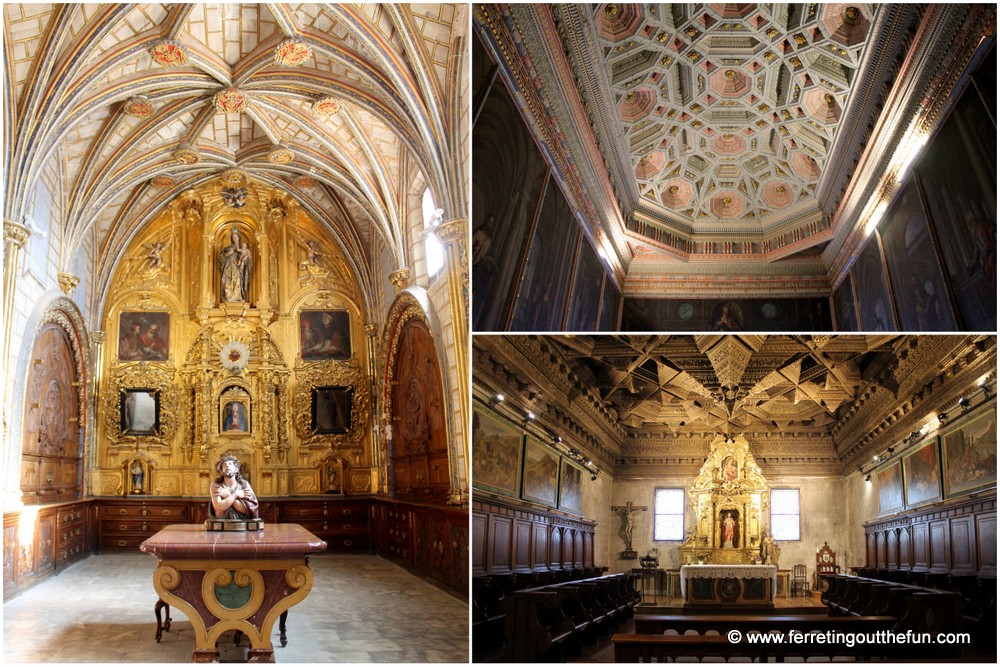
If I were to implement a ‘mobile’ storytelling experience for the Cuenca Cathedral, I would get rid of the outdated audio devices and number system. Instead, I would create an app that could be downloaded to mobile devices and create a tour using scan-able QR codes. Of course, this would be dependent on the Cathedral providing free WiFi access to those who purchased the tour and alternative devices for those who might not own a cellphone. The tour I went on didn’t have a map or designated route, which made it confusing to locate where to go next. I would create a tour where the QR codes lead people through the tour via a designated plan. I also think by adding a mobile app that would allow greater accessibility to those who are hard of hearing or deaf because they could add text descriptions along with the audio. I feel that the notion of ‘mobile’ can add a new and dynamic aspect to storytelling and guided tours and are likely the route in which our increasingly technology-dependent world is headed because, as they say, technology is the way of the future.
 Digital Social Narratives